By Nick Kennedy
Owner & Founder, Creative Contractors
A properly installed driveway or patio should last 20 to 25 years — but how it looks at year ten is partly down to maintenance. The good news is that modern surfaces need very little. Here's exactly what to do (and what to avoid) for each material, season by season.
Resin driveways
Resin-bound surfaces are about as low-maintenance as driveways get, because there are no joints for weeds and no loose stones to scatter. To keep one looking new:
- Jet wash twice a year (spring and autumn) on a wide fan setting — keep the nozzle 20cm+ from the surface and never use a turbo/pinpoint head, which can pit the resin.
- Sweep leaves promptly in autumn — wet leaves left for weeks can leave tannin stains.
- Treat oil spills quickly with a dedicated resin-safe cleaner; don't let them soak in.
- Avoid harsh solvents, and don't drag heavy steel skips or bins across it.
Block paving
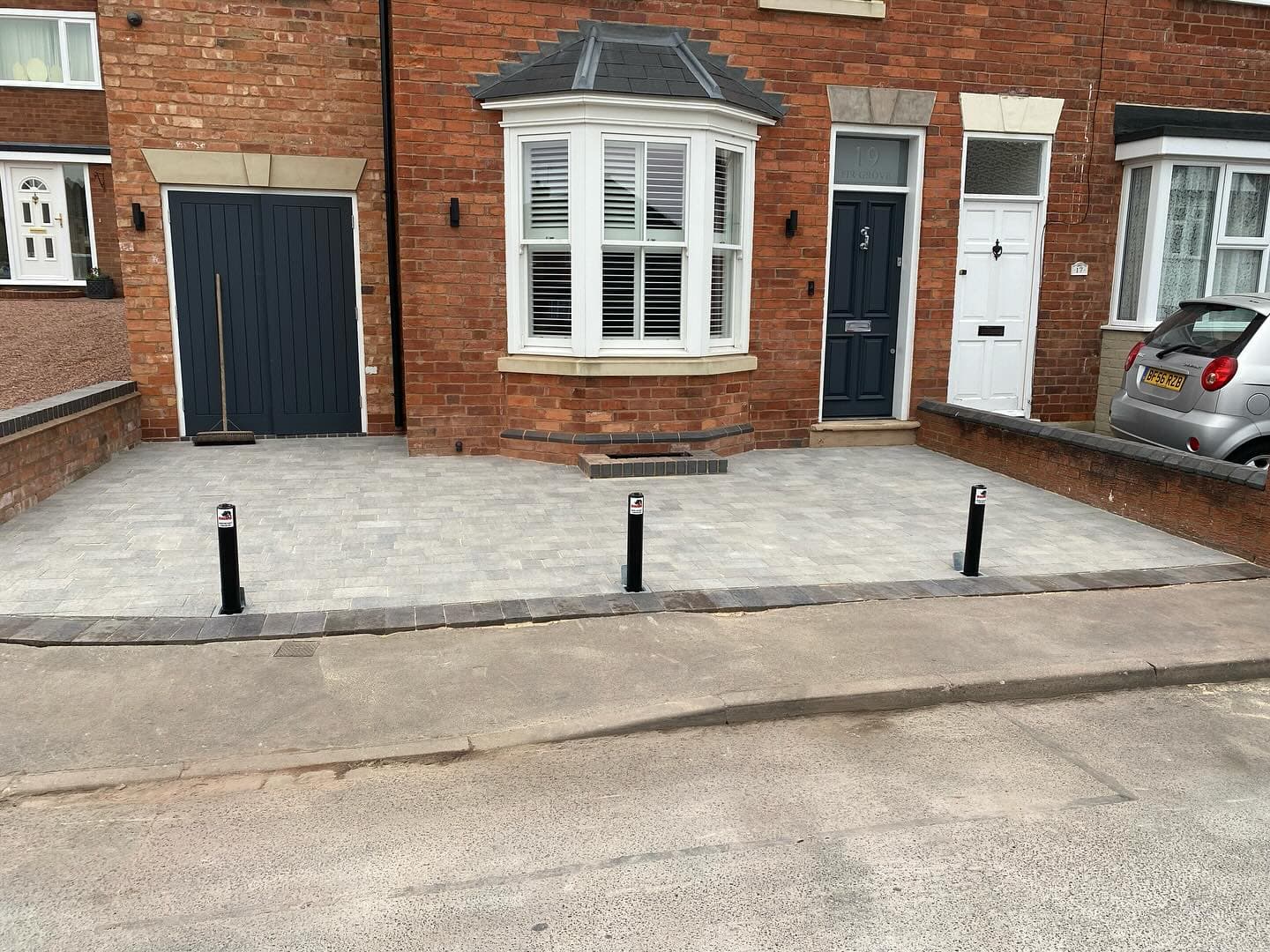
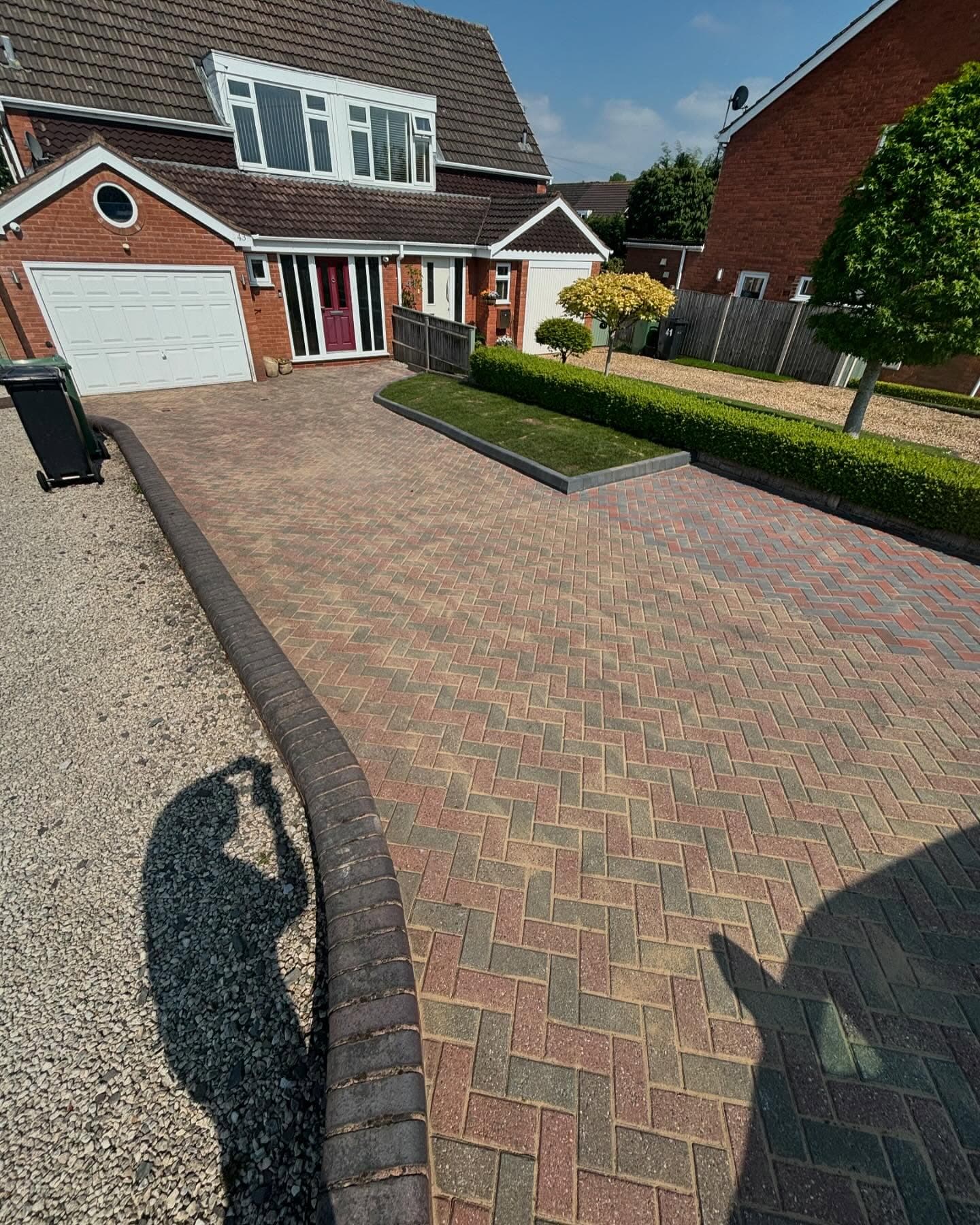
Block paving is the most "hands-on" surface, but it's also the most repairable — individual blocks lift and replace invisibly. To keep it sharp:
- Re-sand the joints as needed. If we used polymeric sand, this is rarely necessary; with kiln-dried sand, top it up every couple of years.
- Treat weeds early — they root in the joint sand, not the blocks. A joint full of polymeric sand stops them in the first place.
- Jet wash annually, then re-sand any joints the washing exposes.
- Consider sealing every 3 – 5 years to lock in the sand, deepen the colour and resist oil staining.
Porcelain patios
Porcelain is the lowest-maintenance patio surface there is — it never needs sealing. A sweep, the occasional wash with warm soapy water, and a light jet wash once a year keeps it pristine. For stubborn algae in shaded spots, a patio cleaner does the job. That's genuinely it.
Indian stone and natural paving
Natural stone is porous, so it needs a little more care than porcelain:
- Seal it every 2 – 3 years to resist staining and slow algae growth.
- Clean algae in autumn with a stone-safe cleaner — shaded, damp West Midlands gardens are prone to it.
- Avoid acidic cleaners and salt, which can etch and damage the stone.
Deciding between the two for a new patio? Our porcelain vs Indian stone comparison goes into the trade-offs in detail.
Decking
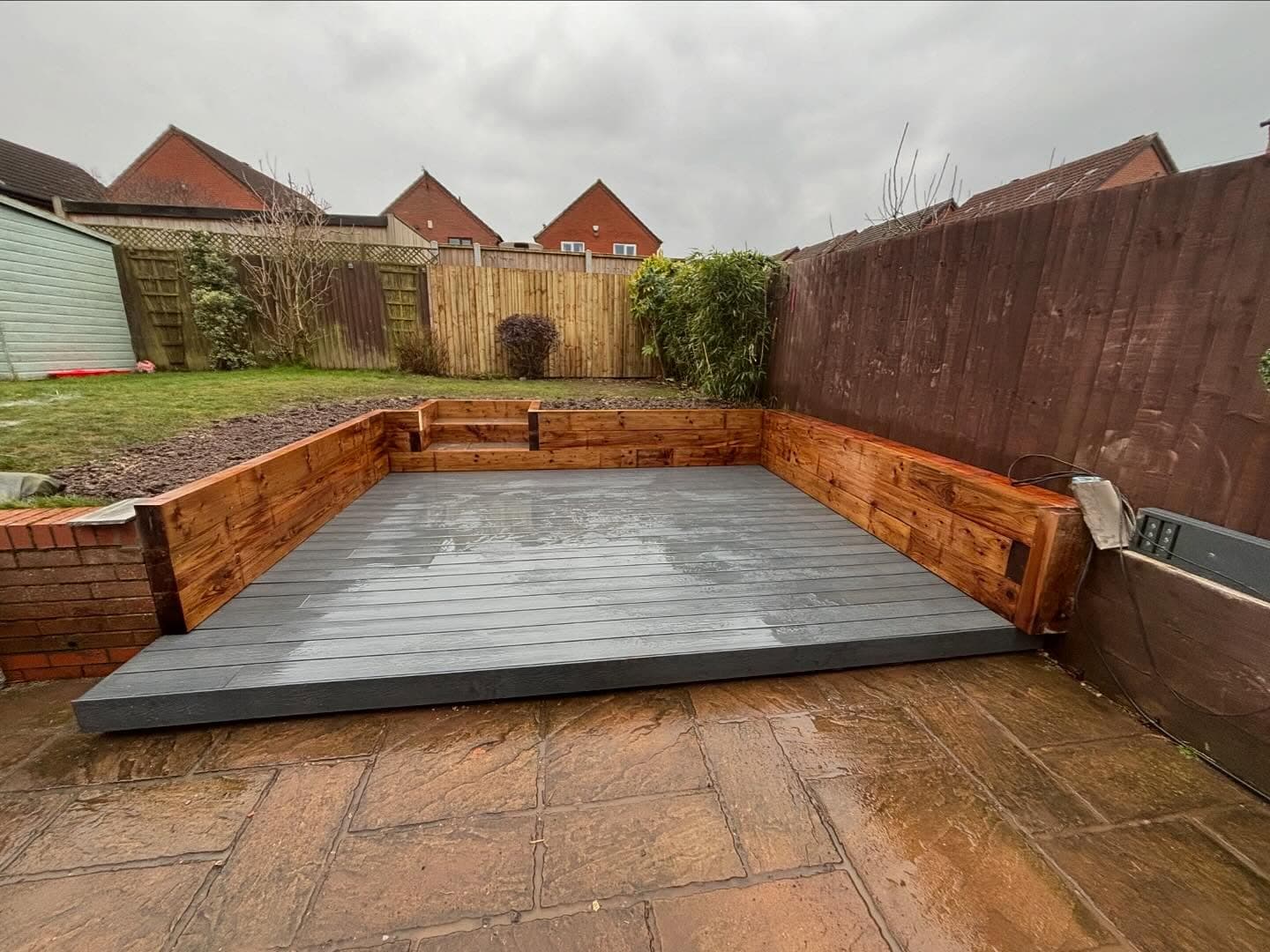
Composite decking needs only an occasional wash — no oiling, no sealing. Timber decking needs cleaning and re-treating every 1 – 2 years to prevent greying, rot and slip.
The West Midlands seasonal checklist
- Spring: jet wash everything, top up joint sand, check for any winter frost damage, treat early weeds.
- Summer: deal with oil and BBQ stains quickly while it's dry; reseal natural stone and timber if it's due.
- Autumn: clear leaves regularly, treat algae before it spreads, give surfaces a final wash before winter.
- Winter: use a plastic (not metal) shovel for snow, and avoid rock salt on block paving and natural stone — it accelerates surface wear. Sand or a paving-safe de-icer is kinder.
The real secret: it's installed, not maintained
The honest truth is that most driveways and patios that fail early weren't poorly maintained — they were poorly installed. A surface laid on a proper compacted sub-base with the right edge restraints and drainage will shrug off two decades of West Midlands weather with the light care above. One laid on a thin or skipped base will sink and crack no matter how often you clean it. That's exactly why we never cut the part you can't see.
Planning a new driveway or patio?
We install resin, block paving, patios and decking built to last across Stourbridge, Halesowen, Wolverhampton, Dudley, Kidderminster, Birmingham and Bromsgrove. Request a free quote or browse our recent projects.