By Nick Kennedy
Owner & Founder, Creative Contractors
"Do I need planning permission?" is one of the first questions we get asked on almost every site visit. The good news: for most domestic driveways and patios in the West Midlands, the answer is no. But there are a few situations where it matters — and getting it wrong can mean tearing the job up. Here's the honest, plain-English version for 2026.
The one rule that covers most driveways
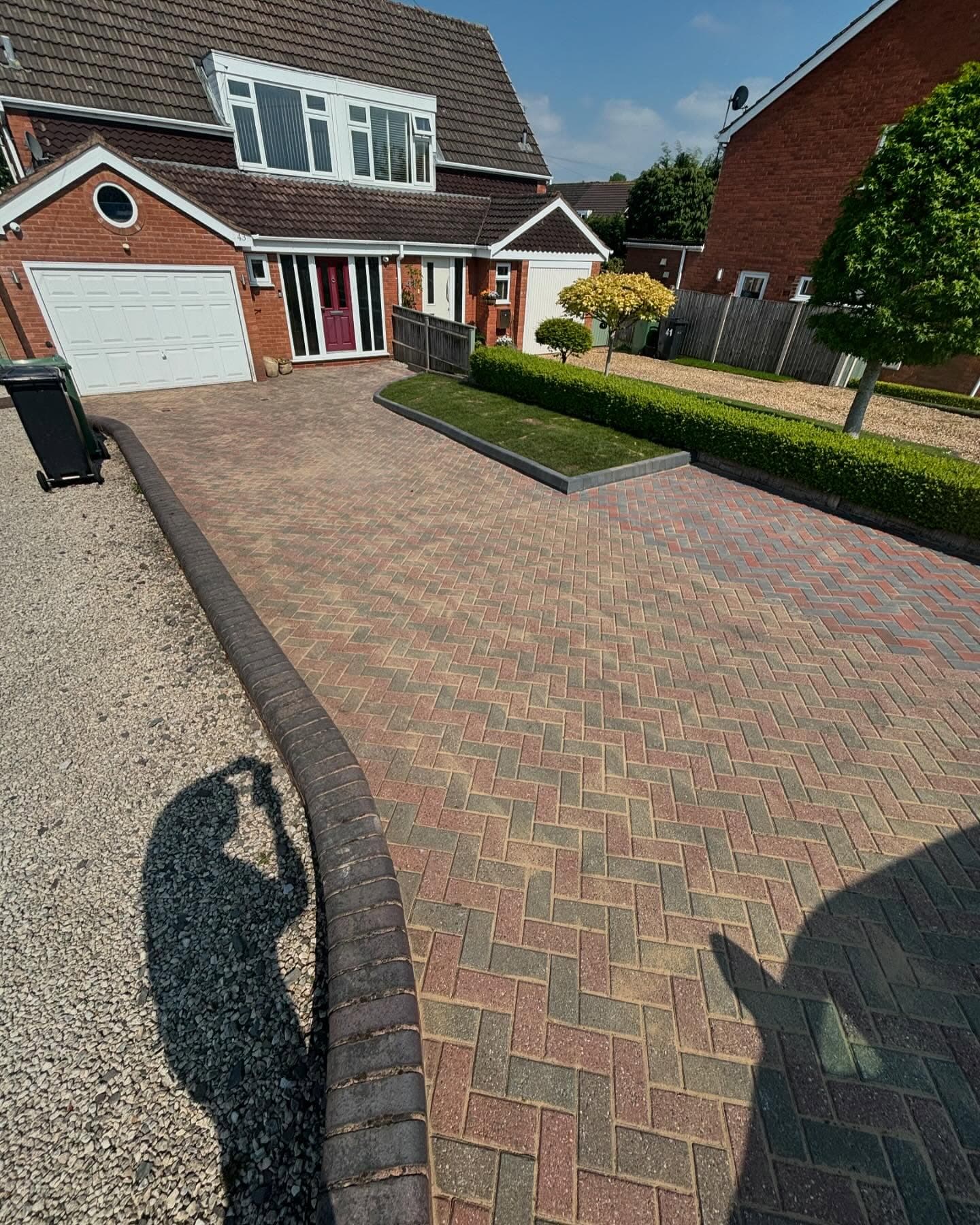
Since 2008, the rules have hinged on a single thing: where the rainwater goes. If your new front driveway is permeable — meaning water drains through it or to a soakaway on your own land — you do not need planning permission, no matter how large it is. This is the SUDS (Sustainable Drainage Systems) rule.
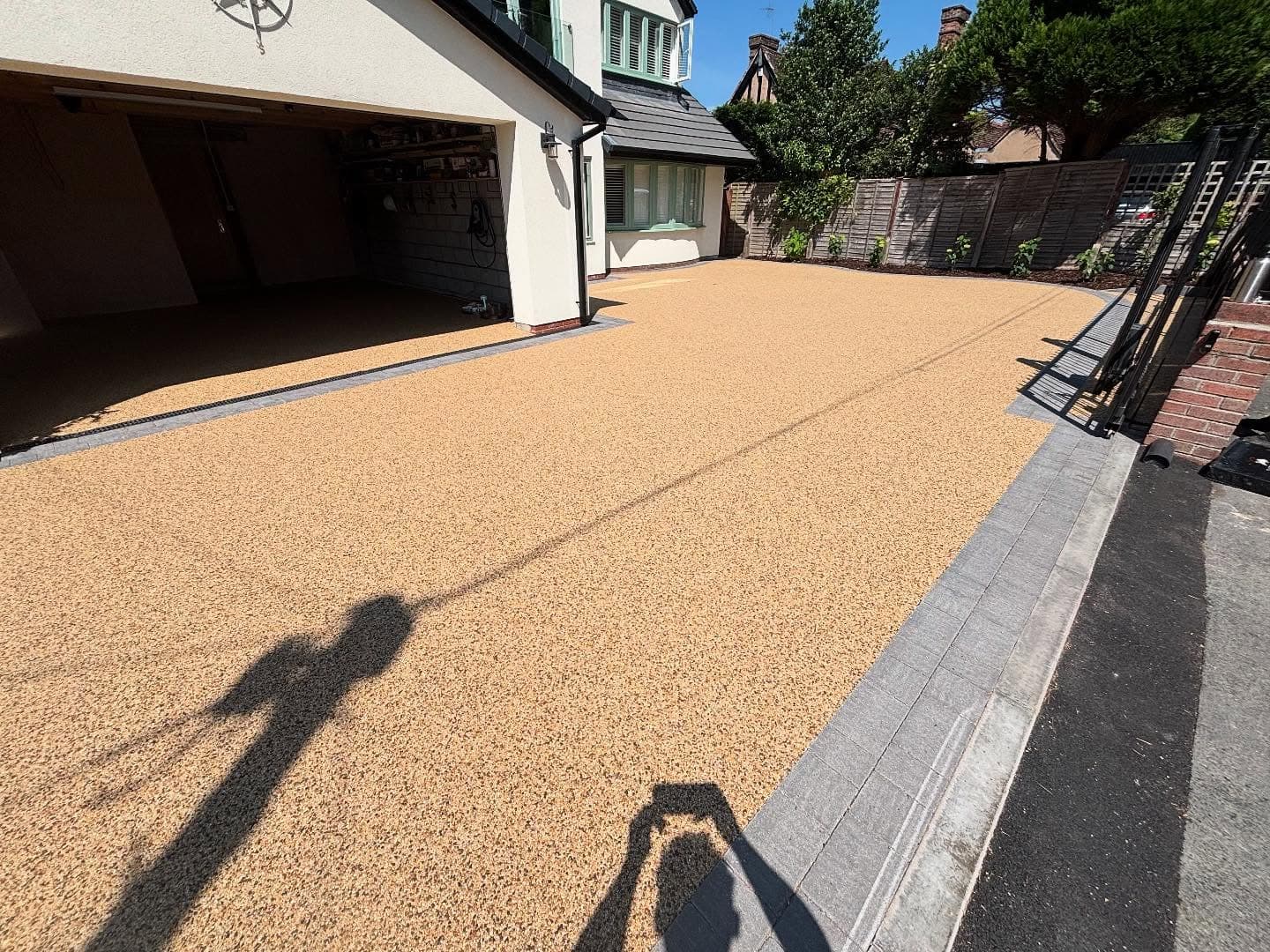
That's why we fit so many resin-bound driveways: they're permeable by design, so planning permission simply never comes into it. Permeable block paving works the same way.
When you DO need permission for a driveway
You only need planning permission for a front driveway if both of these are true:
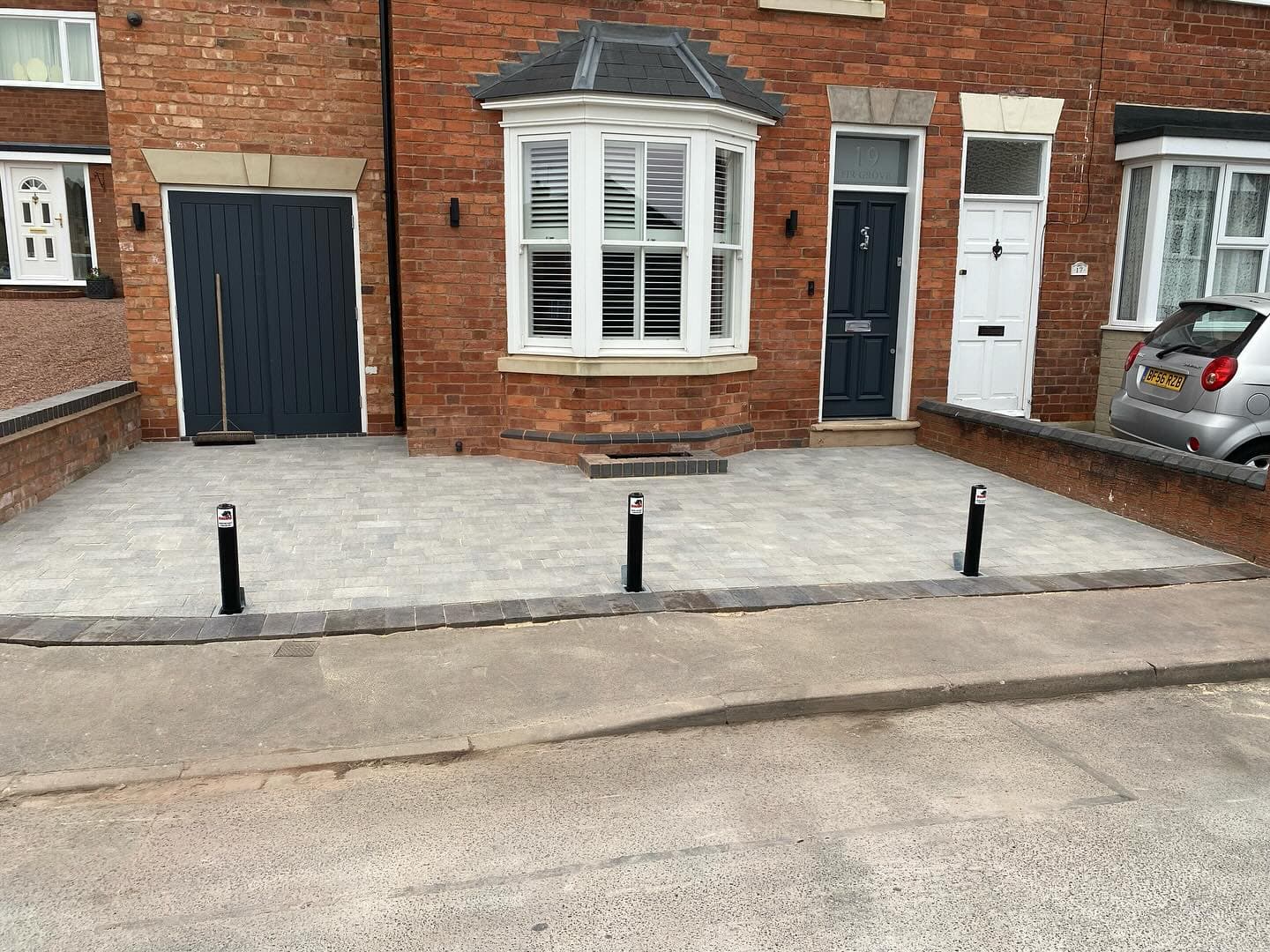
- The surface is impermeable (standard non-permeable block paving, concrete, or non-permeable tarmac), and
- It's over 5m² and drains directly onto the road rather than to a lawn, border or soakaway.
The fix is almost always easier than the application: either choose a permeable surface, or direct the runoff to a soakaway or planted border on your own property. Do that and the 5m² limit stops mattering. We design drainage into every quote so this is handled before a spade goes in the ground.
What about patios?
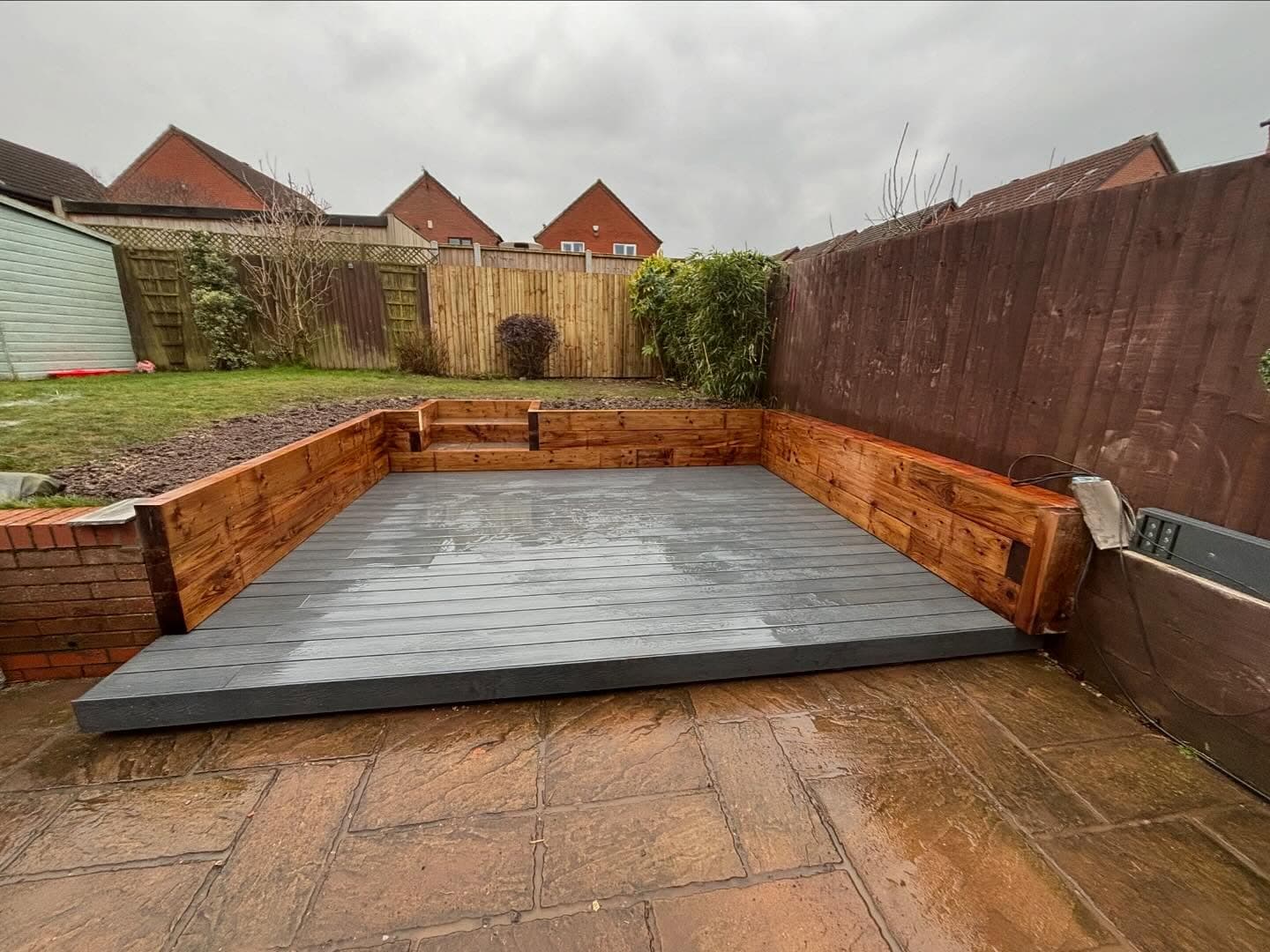
Patios in your back garden are almost always permitted development — no permission needed — as long as they're not raised more than 300mm above ground level. A standard ground-level porcelain or stone patio is fine. A raised patio or deck (a platform more than 300mm high) can need permission, especially if it overlooks a neighbour, so it's worth checking before you build a raised entertaining area.
Decking, pergolas and outdoor kitchens
- Decking: permitted development if it's no more than 300mm above ground and, with other extensions, covers no more than 50% of the garden.
- Pergolas and garden structures: usually permitted development, but height and proximity to boundaries matter — and being forward of the building line (i.e. in your front garden) changes things.
- Outdoor kitchens: generally fine as garden structures, but large builds close to a boundary occasionally need a nod from the council.
Your local council still matters
The national rules are the same everywhere, but a few local factors change the picture — and they vary across the patch we cover:
- Conservation areas: parts of Birmingham (Bournville, Harborne, Edgbaston) and other towns have tighter controls on materials and front-garden changes.
- Listed buildings: any work to the curtilage of a listed property usually needs consent.
- Article 4 directions: some streets have permitted-development rights removed — rare, but worth checking.
The relevant planning authority depends on where you are: Dudley MBC covers Stourbridge, Halesowen and Dudley; City of Wolverhampton Council covers Wolverhampton; South Staffordshire covers Wombourne; Wyre Forest covers Kidderminster; and Bromsgrove District Council covers Bromsgrove.
The simple takeaway
For the vast majority of homeowners, choosing a permeable surface or proper drainage means you'll never deal with a planning application at all. Where there's any doubt — a raised patio, a conservation area, a structure near a boundary — we flag it at the free site visit and tell you exactly where you stand before you commit.
Not sure where you stand?
We'll tell you straight at the quote stage. We cover Stourbridge, Halesowen, Wolverhampton, Dudley, Kidderminster, Birmingham and Bromsgrove. Request a free site visit — and if you're still deciding on a surface, our resin vs block paving guide is a good next read.